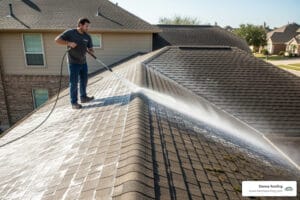
Roofing Richmond TX: Your #1 Premier Guide
Richmond, TX Roofing Guide: Costs, Lifespans, and How to Choose Right
Finding a reliable roofing Richmond TX contractor can feel overwhelming, but it’s one of the most important decisions you’ll make for your home. Your roof is more than just a cover; it’s the first and most critical line of defense against the relentless Texas weather. Here in Richmond and across Fort Bend County, our homes endure a punishing cycle of blistering summer sun, high humidity, torrential downpours, and the ever-present threat of hail and hurricane-force winds. For Richmond homeowners, keeping your roof in top condition isn’t just about maintenance—it’s about protecting your biggest investment and ensuring your family’s safety. The key is finding the right local roofing experts who possess a deep understanding of our climate’s specific challenges and use materials and techniques designed to withstand them. This is the first and most crucial step toward securing long-term peace of mind.
This comprehensive guide will walk you through everything you need to know about roofing in the Richmond area, empowering you to make informed decisions for your property. We will cover:
- A Deep Dive into Roofing Materials: We’ll explore the most common materials used in Texas, from versatile asphalt shingles to long-lasting metal and elegant tile, analyzing their lifespans, costs, and suitability for our climate.
- Your Post-Storm Action Plan: Learn how to safely assess your property after a severe weather event, identify both obvious and hidden signs of storm damage, and take the correct first steps to mitigate further issues.
- Decoding Roofing Costs: We’ll break down the key factors that influence the price of a new roof, including size, complexity, material choice, and labor, so you can understand your estimate and budget effectively.
- The Ultimate Contractor Vetting Checklist: Discover how to choose a trustworthy and qualified contractor by verifying insurance, checking certifications, reading reviews, and asking the right questions.
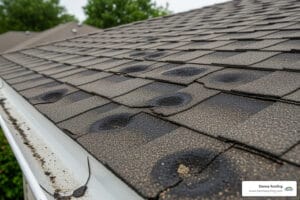
Don’t wait for a small issue to become a major catastrophe. Common signs of roof damage, such as missing or cracked shingles, an accumulation of sand-like granules in your gutters, discoloration or water stains on interior ceilings, and visible sagging of the roof deck, are all urgent calls for attention. Being proactive about these warning signs can save you from the stress and significant expense of extensive interior water damage and structural repairs down the line. This guide is your first step toward becoming a more knowledgeable and confident homeowner.
Roof Materials That Last in Texas Heat: Lifespans, Pros, and Warning Signs
Your roof works overtime in Texas, constantly battling a formidable trio of scorching sun, sudden downpours, and destructive hail. Understanding the anatomy of your roof and the materials that comprise it is essential for spotting trouble before it escalates into a costly disaster. Knowing your roof’s material and how it reacts to the specific environmental stressors in Richmond is the key to protecting your home and maximizing your investment.
Common Roofing Materials in the Richmond Area
Choosing the right material is a critical decision that balances aesthetics, budget, and long-term performance in our challenging climate.
-
Asphalt Shingles: The most prevalent roofing material in North America, asphalt shingles offer an excellent balance of affordability, style versatility, and solid protection. They are divided into two main categories:
- 3-Tab Shingles: The most basic and budget-friendly option, identified by their flat, single-layer appearance. While economical, they have lower wind resistance and a shorter lifespan, making them more vulnerable in our storm-prone region.
- Architectural (or Dimensional) Shingles: An upgraded, multi-layer version of standard asphalt shingles. They are thicker, heavier, and feature a laminated construction that creates a dimensional, textured look resembling wood shake. They offer significantly better wind resistance (often rated for 110-130 mph winds), longer warranties, and enhanced curb appeal. Many modern architectural shingles also include algae-resistant granules to prevent unsightly black streaks, a common issue in our humid climate.
-
Metal Roofing: Once relegated to barns and commercial buildings, metal roofing has become a popular, high-performance choice for residential homes. It is a durable, long-term investment with numerous benefits for Texas homeowners. Metal roofs, particularly standing seam varieties, are exceptionally resistant to high winds and hail. They are also highly energy-efficient, as many feature reflective coatings that can reflect solar heat, potentially lowering your cooling costs by a significant margin. While the upfront cost is higher than asphalt, they often last 40-70 years or more, making them a cost-effective choice over the life of your home.
-
Tile Roofs: Made from either clay or concrete, tile roofs offer exceptional longevity and a classic, upscale aesthetic popular in many Richmond neighborhoods. They are virtually impervious to fire and insects and provide excellent insulation. However, they are extremely heavy and require a roof structure engineered to support the additional weight. While durable, individual tiles can crack under severe hail impact or if walked on improperly, requiring periodic inspection and maintenance.
-
Flat & Low-Slope Roofing (TPO/EPDM): Many homes in Richmond have sections of flat or low-slope roofing over patios, garages, or modern additions. These areas cannot use traditional shingles and require specialized materials. Thermoplastic Olefin (TPO) is a popular choice, typically coming in white to reflect sunlight and improve energy efficiency. It is installed in large, heat-welded sheets that create a seamless, waterproof membrane highly resistant to punctures and tears.
The Typical Lifespan of Roofs in the Texas Climate
Our climate—defined by intense UV radiation, high humidity, and severe storms—significantly shortens a roof’s expected lifespan compared to milder regions.
- Asphalt Shingles: Standard 3-tab shingles may only last 12-18 years in Texas. Higher-quality architectural shingles typically last 15-25 years, a reduction from the 30-year warranties often advertised for milder climates.
- Metal Roofs: A clear winner for longevity, lasting 40-70 years. Their ability to withstand high winds, hail, and extreme heat makes them a resilient choice for the Gulf Coast region.
- Tile Roofs: Can easily last 50+ years with proper installation and maintenance, thanks to their inherent resistance to fire, insects, and extreme temperatures.
Telltale Signs Your Roof Needs Attention
Catching these warning signs early can mean the difference between a simple, targeted repair and a full, expensive replacement.
- Missing or Cracked Shingles: These are clear breaches in your roof’s protective barrier, often visible from the ground after a windstorm. Each missing shingle is a direct entry point for water.
- Granules in Gutters: Finding significant amounts of these sand-like particles is a red flag. These granules protect the asphalt shingle from UV ray degradation. When they wash away, the shingle becomes brittle and will deteriorate rapidly.
- Ceiling Water Stains: Even small, faint stains indicate an active leak. Water can travel far from the initial entry point along rafters and drywall, so any stain warrants an immediate professional inspection to trace the source.
- Sagging Roof Deck: This is a serious structural issue, often caused by trapped moisture leading to rot in the underlying wood sheathing. A sagging roof requires immediate professional attention as it can signal a risk of collapse.
- Curling, Clawing, or Buckling Shingles: As asphalt shingles age and lose their flexibility, their edges may begin to curl up or down. This breaks the seal with the shingle below and makes them highly susceptible to being torn off by wind.
If you notice any of these signs, it’s time for a professional assessment from a qualified roofing Richmond TX company to determine if you need a targeted roof repair or a full roof replacement.
Storm Season Playbook for Richmond: Hail and Wind Damage, Step by Step
When dark clouds roll in over Richmond, your roof is on the front line. Our position near the Gulf Coast makes us a prime target for severe weather, from violent thunderstorms that produce large hail to the powerful winds of tropical storms and hurricanes. Storm damage is often sneaky; while a large hailstone might leave an obvious crater, much of the real, integrity-compromising damage isn’t immediately visible from the ground. For a professional roofing Richmond TX storm damage assessment, it’s crucial to work with local experts who know precisely what to look for.
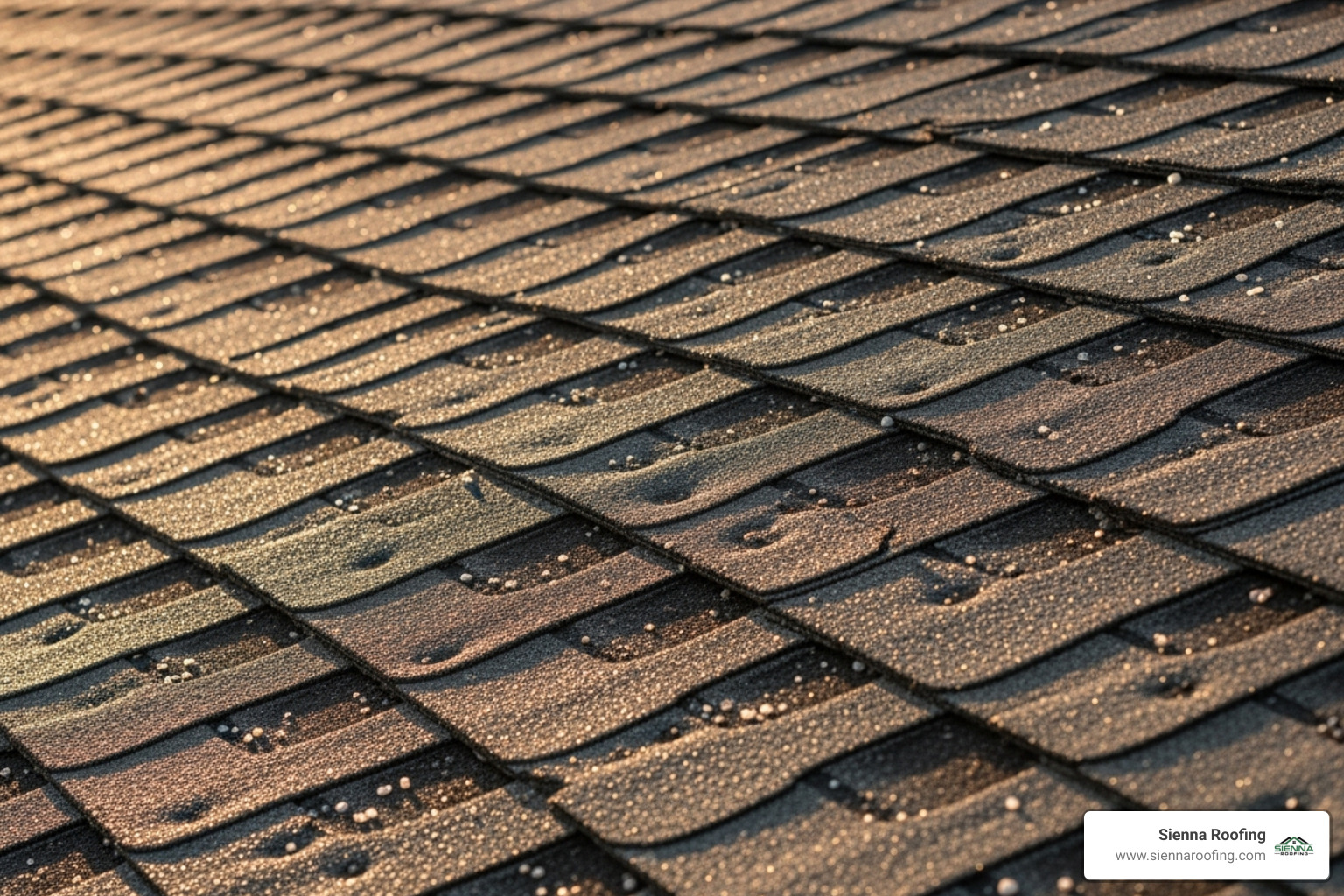
Texas consistently leads the nation in hail events and related insurance claims, a fact confirmed by data from the Insurance Information Institute. Hail often causes subtle “bruising” on shingles that compromises their structure, while high winds can lift shingle edges and break their adhesive seals, creating a hidden vulnerability. A thorough, post-storm inspection is your best defense against future leaks and compounding damage. For a complete overview of the process, see The ultimate guide to Houston storm damage.
What to Do Immediately After a Storm
Your actions in the first few hours can make a huge difference in the outcome of your insurance claim and the prevention of further damage.
- Prioritize Safety: Never climb on a wet or potentially damaged roof. It is extremely dangerous. Debris, slick surfaces, and weakened structural integrity pose a serious risk. Wait for a professional.
- Document Everything: Once it’s safe to walk your property, become a detective. Take extensive photos and videos of all visible damage. Document damage to your roof (if visible from the ground), gutters, siding, windows, fences, and air conditioning units. This evidence is vital for your insurance claim.
- Check for Leaks Inside: Your home’s interior is a key indicator. Carefully inspect your ceilings, walls (especially in corners), and attic for any signs of water intrusion, discoloration, or dampness.
- Mitigate Further Damage (If Safe): If you have an active leak and can see obvious holes, you have a duty to prevent further damage. This may involve placing buckets or, if you can do so safely from a ladder without getting on the roof, covering the area with a tarp. Many professional roofers offer emergency tarping services.
- Call a Professional Roofer: Before you call your insurance company, contact a reputable local roofer. They can perform a safe, thorough inspection to assess the full extent of the damage—much of which is invisible from the ground—and provide you with an expert opinion and documentation to support your claim.
Identifying Hidden Hail and Wind Damage
Much of the most serious storm damage is hard to spot for an untrained eye.
- Hail Damage: On asphalt shingles, this often appears as subtle, circular dents or “bruises” where the granules have been knocked off, exposing the underlying mat. This spot is now weak and will deteriorate quickly under the sun. On metal roofs, it can cause dents that may or may not be cosmetic. On gutters and roof vents, it will appear as obvious dings and dents.
- Wind Damage: Check for shingles that are lifted, creased, or completely missing. The most common hidden damage occurs when wind lifts a shingle and breaks its adhesive seal to the course below. The shingle may lay back down and look fine, but the broken seal creates a perfect entry point for wind-driven rain in the next storm.
- Cracked Sealant and Damaged Flashing: The sealant around roof penetrations like pipes, vents, and chimneys is a common failure point. Wind and hail can cause it to crack or pull away, compromising the watertight barrier. Flashing, the metal pieces that direct water away from these areas, can also be lifted or dented.
A professional inspection is vital to identify these hidden issues. What seems like minor cosmetic damage can be a sign of significant problems that will only worsen over time. If you’re dealing with insurance, review the Texas Department of Insurance guidance on roof claims to help streamline the process and understand your rights as a policyholder.
Your Roofing Project Roadmap in Richmond: What Drives Cost and Timeline
Starting a roofing project, whether prompted by storm damage or the natural aging of your roof, is a significant undertaking for any homeowner. Understanding the process from the initial inspection to the final cleanup can make it far more manageable and transparent. Key factors like your roof size, the materials you choose, the cost of skilled labor, and the overall project complexity all play a crucial role in determining the final price and timeline.
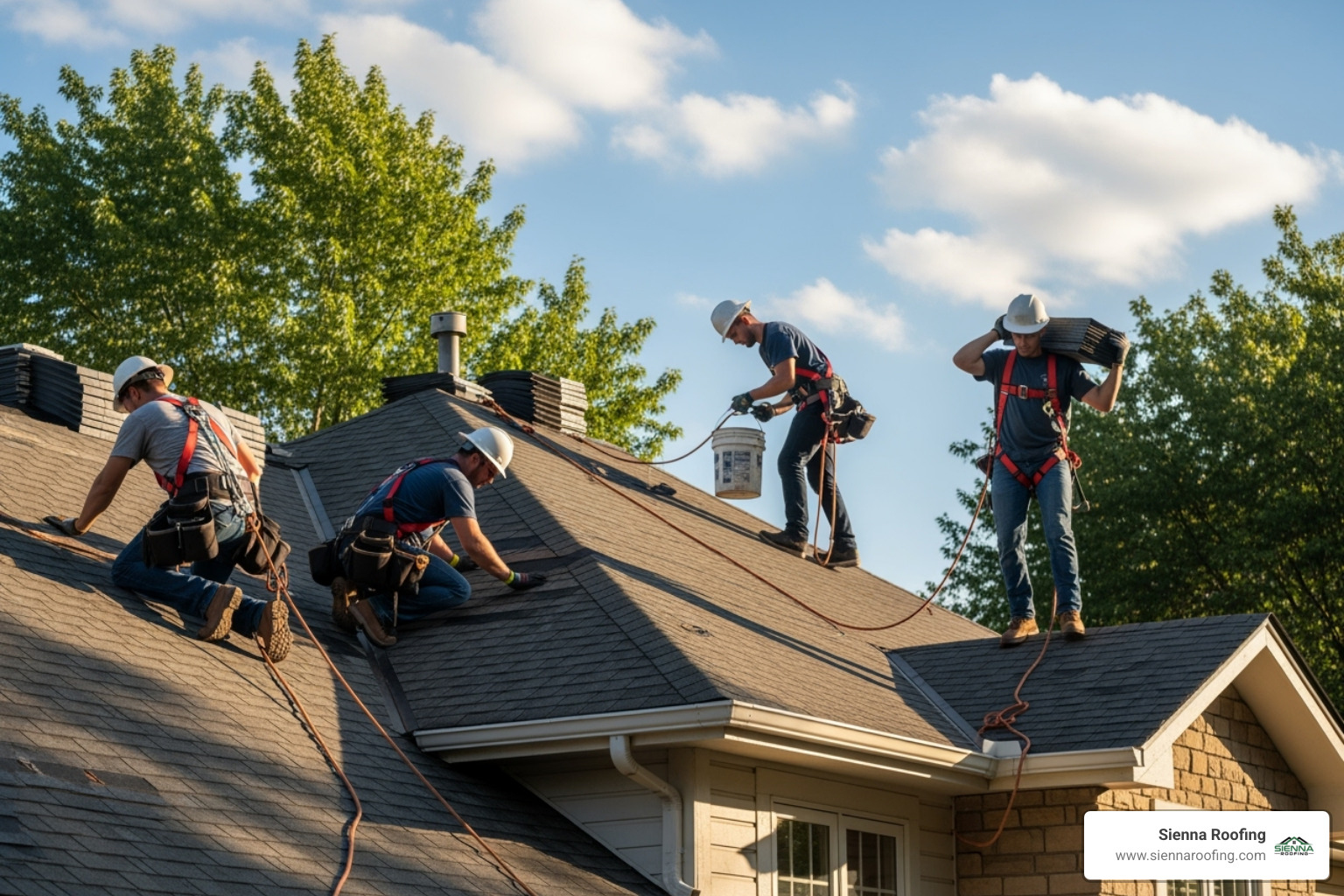
Getting a detailed, itemized estimate is the most important step in understanding your investment. A vague, one-line price is a red flag. A professional estimate should break down every aspect of the job. For a clearer picture of what your project might cost, you can Get an accurate roof estimate cost that provides a comprehensive breakdown.
Factors That Influence Roofing Costs in Richmond
The final price tag for a new roof is a combination of several interconnected variables. Here’s a detailed look at what drives the cost:
- Roof Size and Complexity: This is the most significant factor. Cost is often calculated per “square” (a 10×10 foot area). Beyond sheer size, complexity adds to the cost. A steep roof pitch requires more safety equipment and slower, more careful labor. A roof with multiple facets, hips, valleys, dormers, and skylights requires more intricate cutting and flashing work than a simple gable roof, increasing both material waste and labor hours.
- Material Grade and Type: As discussed, materials vary widely in price. But even within a single category like asphalt shingles, there are different tiers. Basic 3-tab shingles are the cheapest, while premium architectural shingles with enhanced impact resistance or designer styles cost more. The same goes for metal, with different gauges and paint finishes affecting the price.
- Labor and Full Tear-Off: Labor costs reflect the skill and experience of the installation crew. A full tear-off of the old roof is standard practice and essential for a quality job. This includes the labor to remove the old materials and the fees for proper disposal. A tear-off is the only way to properly inspect the underlying wood decking for rot or damage.
- Underlying Decking Condition: During the tear-off, the contractor will inspect the plywood or OSB sheathing that forms the roof deck. If any sections are soft, delaminated, or rotten due to past leaks, they must be replaced. This is a common and necessary additional cost that often cannot be determined until the project is underway.
- Underlayment and Ice & Water Shield: The underlayment is a critical secondary water barrier. Standard felt paper is the minimum, but modern synthetic underlayments offer superior tear resistance and water protection at a higher cost. An ice and water shield, a self-adhering membrane, should be installed in all valleys and around penetrations for extra protection against wind-driven rain.
- Ventilation and Flashing: Proper attic ventilation is crucial in Texas to prevent heat and moisture buildup, which can destroy shingles from the inside out. Your roofer may need to add or replace vents to meet code, adding to the cost. All flashing around chimneys, walls, and vents should be replaced with new, high-quality metal during a roof replacement.
The average Texas roof cost ranges from $7,000 to $15,000 for architectural asphalt shingles on a typical single-story home, but this can vary widely based on the factors above.
| Material Type | Average Cost (per square foot installed) | Typical Lifespan in Texas Climate |
|---|---|---|
| Architectural Shingles | $4.50 – $7.50 | 15-25 years |
| Impact-Resistant Shingles | $5.50 – $9.00 | 20-30 years |
| Standing Seam Metal | $9.00 – $16.00+ | 40-70 years |
| Clay/Concrete Tile | $12.00 – $25.00+ | 50+ years |
Permits and Inspections for Roofing in Richmond, TX
Permits and inspections are non-negotiable; they are a legal requirement designed to protect you. The City of Richmond requires permits for most roof replacements to ensure the work meets local safety and building codes. These regulations are especially important in our region, as they often specify windstorm requirements, such as specific nailing patterns and materials needed to withstand hurricane-force winds. An experienced roofing Richmond TX contractor will handle the entire permit process for you, from submitting the application to scheduling the necessary inspections with the city. This final check by a municipal inspector confirms that the work was completed correctly and meets all safety codes, giving you documented proof of a compliant installation. For specific local regulations, you can visit the Official City of Richmond, TX website. A reputable roofer ensures all requirements are met, so you don’t have to worry about the paperwork or the legality of your new roof.
Selecting and Financing a Top Richmond Roofer: Checklist + Local NAP
Choosing the right roofing Richmond TX contractor is the single most critical decision in your entire project. The quality of the installation determines the actual lifespan and performance of your new roof, regardless of how expensive the materials are. This decision impacts your home’s protection for decades, so thorough vetting is absolutely essential. At the same time, understanding how to finance this major home improvement project is just as important.
Vetting Your Local Roofing Contractor: A Detailed Checklist
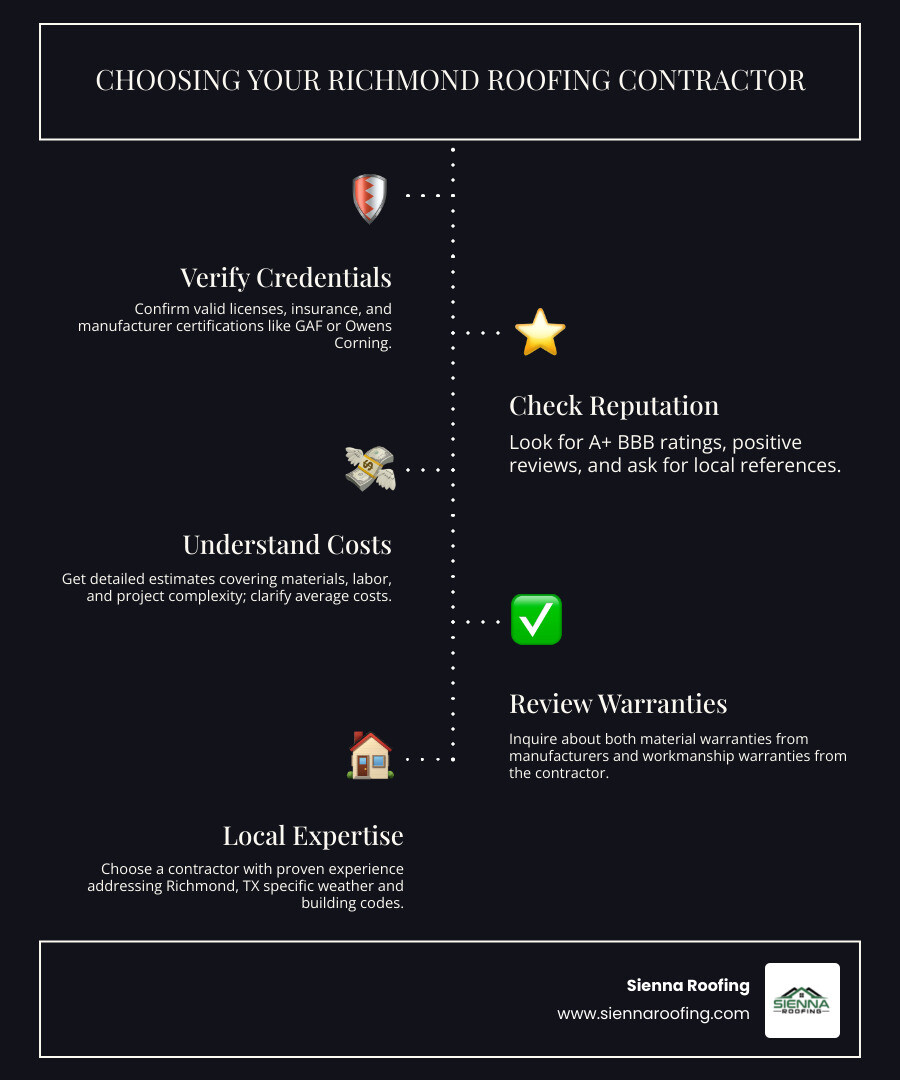
Look beyond a simple online search and a low bid to find a truly reliable and professional company. Use this checklist to protect yourself:
- Verify Proper Insurance: This is non-negotiable. Ask for a certificate of insurance (COI) and verify it with the insurance carrier. The contractor must have both General Liability insurance (to cover any damage to your property) and Worker’s Compensation insurance (to cover their employees if they are injured on your property). Without worker’s comp, you could be held liable for medical bills.
- Check for Manufacturer Certifications: Top manufacturers like GAF and Owens Corning offer elite certification programs (e.g., GAF Master Elite Contractor, Owens Corning Platinum Preferred Contractor). These are not easy to obtain and indicate that the contractor is highly trained, reputable, and financially stable. A key benefit is that certified contractors can offer enhanced, factory-backed warranties that non-certified roofers cannot.
- Scrutinize Online Reviews and Ratings: Check Google, Yelp, and the Better Business Bureau (BBB). Don’t just look at the star rating. Read the actual reviews—both positive and negative. Look for patterns in how the company responds to issues. An A+ BBB rating is a strong indicator of a commitment to ethical practices and customer satisfaction.
- Demand Local References: A reputable contractor with a history in the Richmond area should be proud to provide a list of recent local projects. Ask for addresses you can drive by and phone numbers of past customers you can speak with. Ask them about the crew’s professionalism, communication, and the cleanup process.
- Insist on a Physical, Local Presence: Be wary of “storm chasers”—out-of-town companies that flood an area after a storm, do cheap work, and then disappear, leaving you with no recourse when problems arise. A permanent local office and local phone number are signs of a stable, committed company.
- Get a Detailed, Written Contract: Never proceed with a handshake or a one-page quote. The contract should detail the full scope of work, specific materials to be used (brand, color, type), tear-off and cleanup procedures, payment schedule, and estimated start and completion dates.
For help finding qualified professionals who meet these criteria, see our guide to Find trusted Richmond TX roofing companies.
Understanding Warranties and Financing Options
A new roof is a major investment. Strong warranties protect it, and flexible financing makes it manageable.
-
Warranties Explained: Your roof should come with two distinct warranties:
- A Material Warranty from the manufacturer covers defects in the roofing products themselves. These can range from 25 years to a limited lifetime warranty. Understand if it’s prorated (loses value over time) or non-prorated.
- A Workmanship Warranty from the contractor covers installation errors. This is arguably more important, as most roof failures are due to poor installation. Look for contractors who offer a strong, long-term workmanship warranty of 10 years or more as a sign of their confidence and quality.
-
Financing and Payment Options: You have several avenues to fund your project:
- Insurance Claims: If your roof was damaged in a storm, your homeowners’ insurance should cover the replacement cost. You will be responsible for your deductible. The process typically involves an initial check for the Actual Cash Value (ACV) of the roof, with the recoverable depreciation (the difference to make it whole) paid out after the work is completed and invoiced.
- Direct Contractor Financing: Many established roofing companies partner with lenders to offer direct financing options. This is often the most convenient path, with quick approvals and competitive terms, sometimes including 0% down or deferred payment options.
- Home Equity Loans/HELOCs: Using the equity in your home can be another option, often with favorable interest rates, though the application process can be longer.
Your Local Roofing Partner
At Sienna Roofing, we understand that choosing a contractor is about finding a partner you can trust to protect your home. We are proud to be a part of the Richmond community, with a proven track record of quality, integrity, and customer satisfaction.
Sienna Roofing
17034 University Blvd, Sugar Land, TX 77479
(832) 564-3322
Richmond Roofing FAQs: Inspections, Tear-offs, and Warranties
As roofing Richmond TX experts, we’ve helped hundreds of homeowners navigate the roof replacement process. Over the years, we’ve found that many people have the same excellent questions. Here are detailed answers to the most common concerns.
How often should I have my roof inspected in Texas?
Given our harsh weather cycle, we strongly recommend a professional inspection at least once a year, ideally in the spring before the storm season kicks into high gear. Additionally, it is critical to get an inspection after every major hail or wind storm, even if you don’t see any obvious damage from the ground. Hail can cause subtle bruising that shatters the back of the shingle, and wind can break shingle seals without tearing them off completely. These hidden issues, if left unchecked, create vulnerabilities that lead to major leaks in subsequent storms. Proactive inspections are the single best way to extend your roof’s life and prevent costly emergency repairs.
Can I put a new roof over my old one (a “re-cover”)?
While technically possible in some jurisdictions, we do not recommend it in Texas and it is prohibited by many local building codes. A complete tear-off of the existing shingles is the only professional and responsible method. Here’s why:
- Deck Inspection: It is impossible to inspect the underlying wood deck for rot, water damage, or delamination without removing the old roof. Covering up rotten wood is a recipe for structural failure.
- Excessive Weight: Shingles are heavy. Adding a second layer places significant additional stress on your home’s structure, which it may not be designed to handle.
- Improper Installation: New shingles cannot lay flat and seal properly over an uneven, worn-out surface. This leads to a lumpy appearance, reduced wind resistance, and a drastically shortened lifespan for your new roof.
- Warranty Invalidation: Most manufacturers will not honor their material warranty if the shingles are installed over an existing roof layer.
What is a workmanship warranty and why is it so important?
A workmanship warranty is your contractor’s guarantee on the quality of their installation. It is completely separate from the manufacturer’s material warranty, which only covers defects in the roofing products themselves. The vast majority of premature roof failures are caused by installation errors, not faulty materials. A workmanship warranty covers the labor and materials required to fix problems arising from these errors, such as improperly nailed shingles, incorrect flashing installation, or poor sealing. A reputable roofing Richmond TX contractor will stand behind their work with a strong warranty of 10 years or more. This demonstrates their confidence in their crew’s training and craftsmanship and provides you with long-term protection.
How long will a full roof replacement take?
For an average-sized single-family home in Richmond, a full roof replacement typically takes 1 to 3 days. The timeline can be affected by the size and complexity of the roof, the weather, and whether significant decking replacement is required. A professional crew will work efficiently to protect your home and minimize disruption to your daily life.
What happens if you find rotten wood decking under my old roof?
This is a common occurrence, especially if the old roof had been leaking for a while. If our crew discovers soft, damp, or rotten decking during the tear-off, we will stop, document the issue with photos, and immediately inform you. We will explain the necessity of replacing the damaged sheets of plywood or OSB and provide a clear change order for the additional cost of materials and labor. Replacing compromised decking is essential for the structural integrity of your home and to provide a solid, nail-able surface for the new roof.
How can I maintain my new roof to maximize its lifespan?
To get the most out of your investment, perform simple, regular maintenance. Twice a year (spring and fall), clean out your gutters to prevent water backup. From the ground, visually inspect your roof for any debris like tree limbs. After any major storm, do a walk-around of your property to look for any signs of damage. And, of course, stick to a schedule of annual professional inspections to catch any potential issues before they become major problems.
Shield Your Home with a Trusted Richmond Roofing Partner

Your roof is so much more than just shingles and nails; it’s the silent guardian that shields your family, your possessions, and your peace of mind from the unpredictable and often harsh Texas weather. Making the decision to repair or replace it is significant, and choosing the right roofing Richmond TX contractor is an investment in your home’s long-term safety, value, and structural integrity.
This guide has equipped you with the essential knowledge every Richmond homeowner needs to navigate the process with confidence. You now have a deeper understanding of the best materials for our demanding climate, how to spot the subtle but serious signs of storm damage, and a comprehensive checklist for vetting contractors to ensure they are insured, certified, and reputable. This knowledge empowers you to ask the right questions and demand the quality you deserve.
At Sienna Roofing, we don’t just install roofs—we build lasting relationships based on transparency, expertise, and a genuine commitment to our community. We are your neighbors, and we treat every home as if it were our own, ensuring meticulous craftsmanship and using only high-quality materials. We stand behind our work with a robust workmanship warranty and a 100% satisfaction guarantee. When you choose us for your roofing services, you’re not just hiring a contractor; you’re partnering with a local team that truly cares about protecting what matters most to you.
Ready to give your home the superior protection it deserves? Contact us today to schedule your free, no-obligation inspection! We’ll provide a thorough assessment and a detailed, easy-to-understand estimate, giving you the clarity you need to move forward.